
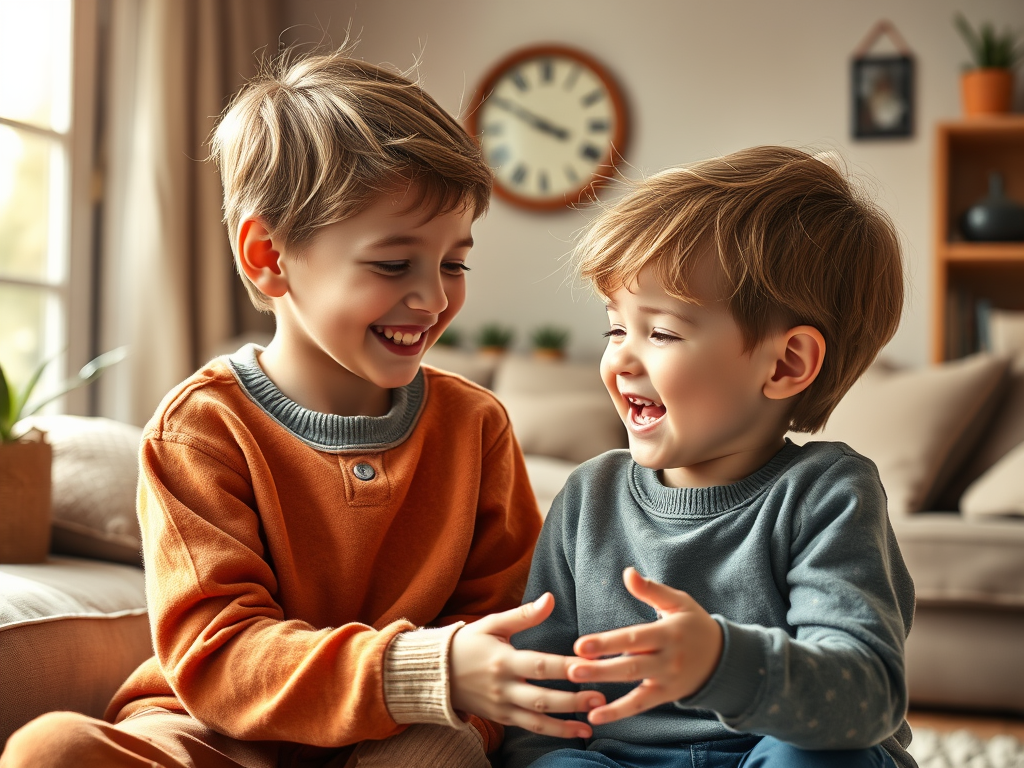
If you’ve ever had to step in between your kids arguing over who gets the bigger cookie, or who gets the remote, you know sibling conflict can test even the calmest parent’s patience. Here’s the good news. Those squabbles are normal. They’re a natural part of growing up in a family. With the right guidance, parents can turn those everyday fights into valuable lessons in empathy, respect, and love.
Understand Why Siblings Fight
Children don’t always have the tools to manage big emotions — especially when they’re sharing space, toys, attention, and parents.
Fights often start over small things but are really about bigger feelings: jealousy, frustration, or wanting to feel heard.
By looking past the surface argument (“He took my toy!”) and understanding the emotion underneath (“I feel like you don’t listen to me”), parents can respond in ways that calm the storm rather than add to it.
Teach Them to Use Their Words, Not Their Fists
Conflict isn’t the enemy — it’s how we handle it that matters. Encourage your children to express their feelings respectfully.
Try teaching them phrases like:
“I don’t like it when you do that.”
“Can I have a turn next?”
“That made me feel upset.”
When parents model calm communication and help kids practice it, they’re teaching skills that extend beyond sibling relationships. They’re imparting lifelong emotional intelligence.
Avoid Taking Sides
It’s tempting to jump in and declare who’s right and who’s wrong, but that can leave one child feeling resentful and unheard. Instead, be a guide, not a judge. Listen to both sides, validate each child’s feelings, and help them work toward a fair solution. For example:
“I can see you’re both upset. Let’s figure out what each of you needs so we can solve this together.”
When children see that fairness matters more than favoritism, they learn to trust both you and each other.
Create Opportunities for Teamwork
Nothing builds connection like shared purpose. Give siblings chances to cooperate instead of compete — whether it’s baking cookies together, cleaning up a room as a team, or planning a small family game night. When they see that working together gets better results (and more fun!), their sense of rivalry starts to soften into partnership.
Praise Kindness When You See It
Catch them being good. When you notice one sibling sharing, comforting, or helping another, point it out right away:
“I saw how you helped your sister find her book — that was really thoughtful.”
Positive reinforcement makes kindness contagious. Over time, kids begin to look for those moments of connection on their own.
Teach Forgiveness and Second Chances
Even in the best families, tempers flare and words get said that we don’t mean. Use these moments to teach forgiveness — not just saying “sorry,” but truly making things right.
Remind your children that love doesn’t mean never fighting — it means caring enough to make up and move forward.
Remember: Love Is Learned at Home
Siblings may not always like each other every minute of the day, but with your help, they can learn that love runs deeper than frustration. Children who learn how to listen will carry those lessons into every relationship. They also learn to compromise and to forgive.
Final Thoughts
Family harmony doesn’t happen overnight. It’s built moment by moment — in every apology, every shared laugh, and every time parents model calm and compassion.
When we teach our children that it’s okay to disagree, that love means working through hard feelings, and that family is a safe place to grow, we give them one of life’s greatest gifts: the ability to love well, even when it’s hard.