
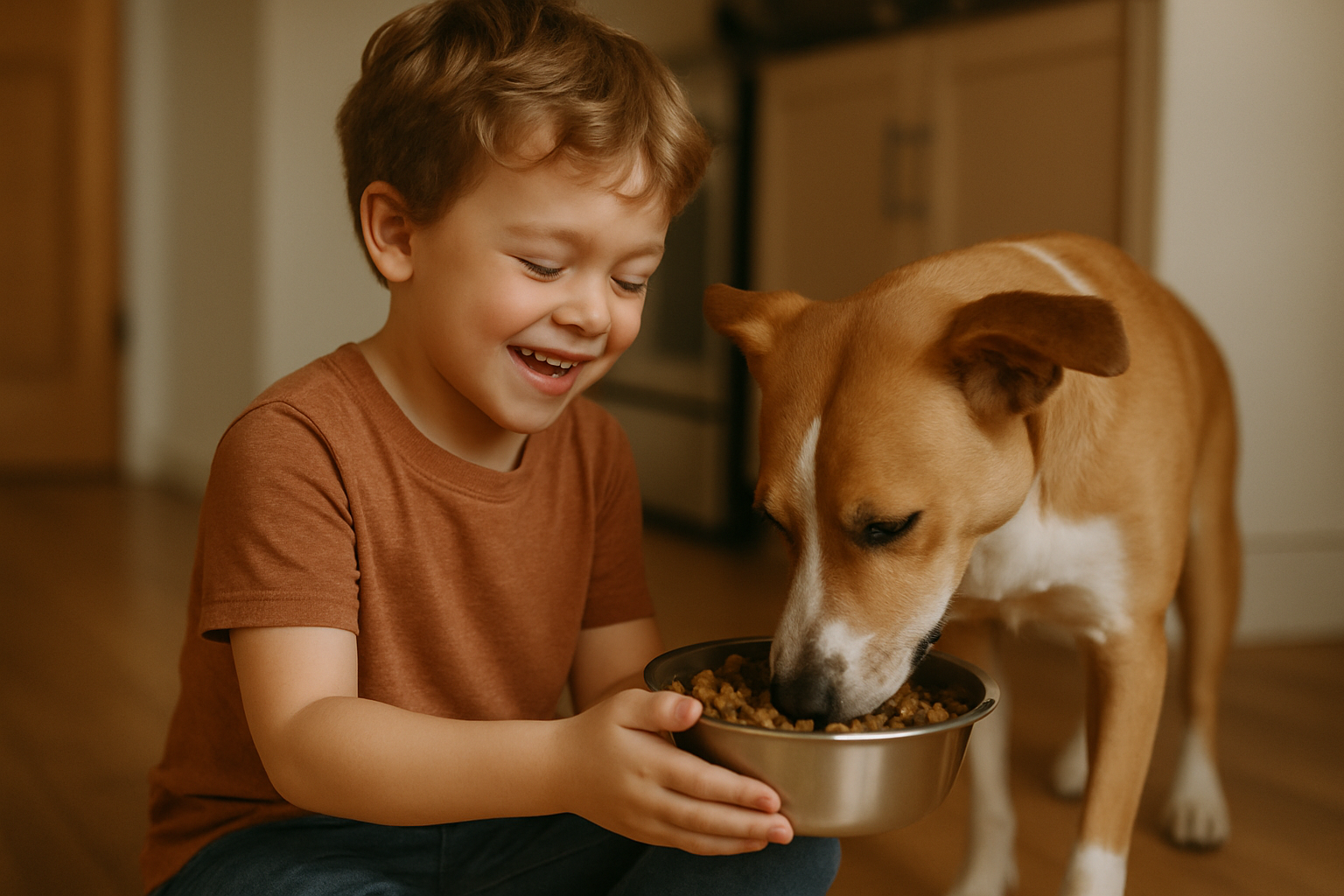
Every parent hopes to raise responsible, caring children. While chores and routines help, one of the best teachers of responsibility might have four legs and a wagging tail. Pets teach children accountability, empathy, and compassion in ways that stick. When kids care for pets, they learn that responsibility means more than obeying rules. It’s about looking after a living being. They see how their care makes a difference.
A Living Thing That Depends on You
From filling a water bowl to brushing fur, kids quickly learn that pets depend on them. This daily care creates structure and consistency. Children see that their actions directly affect their pet’s well-being—a hungry cat, a thirsty guinea pig, or a dog waiting for its walk reminds them that responsibility means showing up every day.
This lesson builds self-discipline and ownership. Parents can help by assigning age-appropriate tasks, like feeding or playtime, to make kids feel proud of their role in caring for the family pet.
The Consequences of Neglect
Responsibility also means understanding what happens when we don’t follow through. A missed meal, a dirty cage, or a restless dog shows that pets can’t thrive without consistent care. These natural consequences help children recognize the importance of accountability.
Instead of scolding, parents can use these moments to talk about empathy; teaching them how our actions affect others, even animals. It’s a powerful way to teach children cause and effect in a loving, supportive environment.
The Joy of Nurturing Another Life
The flip side of responsibility is joy. Watching a pet thrive because of their care gives children confidence and pride. A bird singing in the morning, a fish swimming happily, or a puppy wagging its tail when your child comes home—these moments show how effort and kindness pay off.
Nurturing a pet builds emotional resilience, too. Kids experience the rewards of patience, consistency, and love, which are all important for healthy emotional growth.
Building Empathy and Patience
Caring for pets teaches kids to be observant and compassionate. They learn to read cues: a wagging tail, twitching whiskers, or a nervous whine. These small signals teach children to tune in to emotions beyond words.
When a child patiently teaches a dog to sit or comforts a shy cat, they’re practicing emotional intelligence and problem-solving. These are the same skills they’ll need in friendships, teamwork, and family life.
Life Lessons That Last
The responsibilities kids learn from caring for pets extend far into adulthood. Feeding, cleaning, walking, and playing all require consistency and empathy. These habits evolve into lifelong values: reliability, compassion, and respect for others.
When children see that their time and effort make a difference, they internalize a core truth—responsibility isn’t a burden, it’s a gift.
Conclusion: Raising Responsible and Caring Kids One Pet at a Time
Bringing a pet into your family isn’t just about having a new friend… It’s about nurturing growth and character. Through pet care, children learn how their choices affect others, how to show empathy, and how good it feels to be dependable.
So whether it’s a goldfish, a cat, or a loyal dog, a pet can be one of your child’s greatest teachers—helping them learn lessons that last a lifetime.