
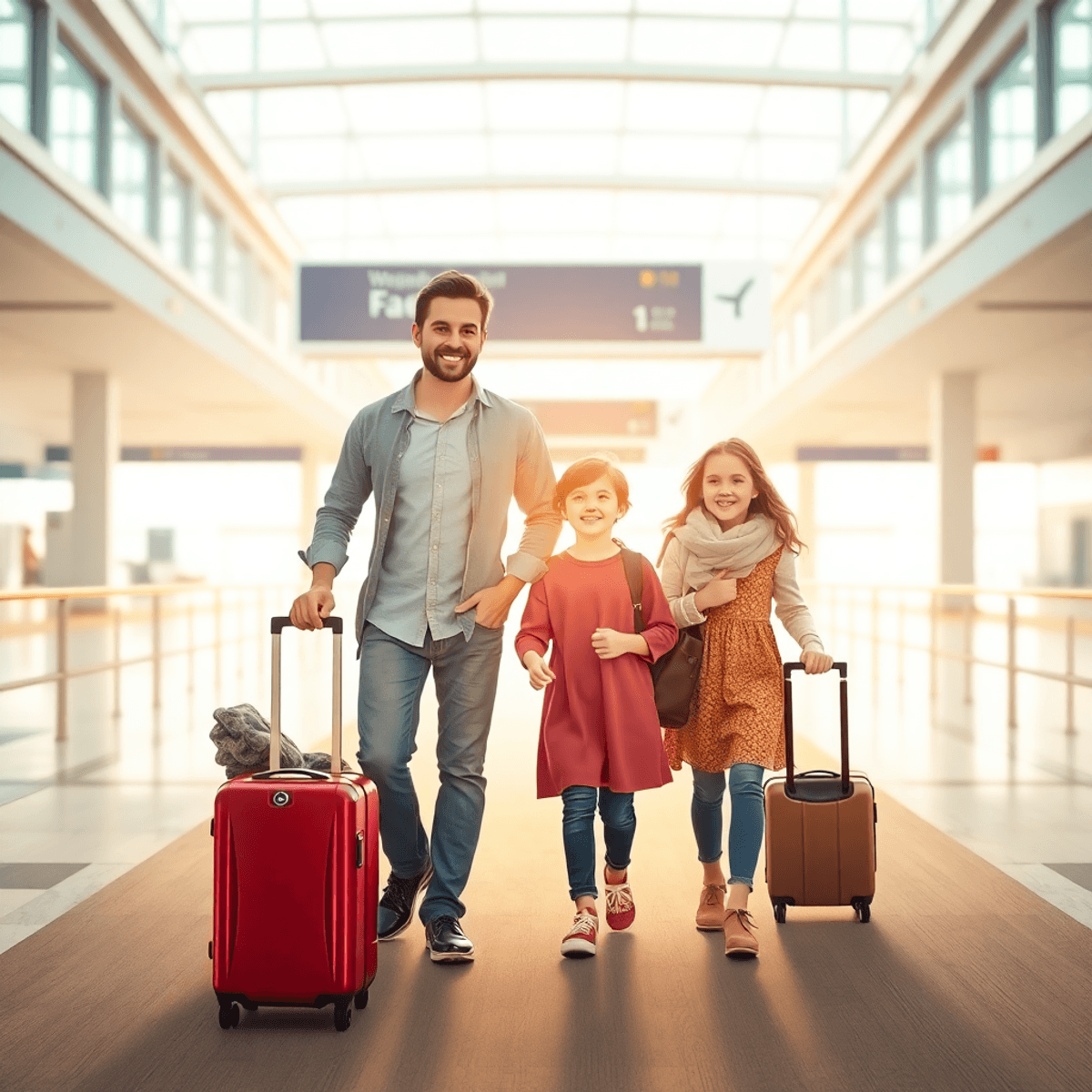
Flying with children can feel like navigating uncharted territory. Between managing meltdowns at 30,000 feet, juggling carry-ons stuffed with snacks and entertainment, and hoping your little one doesn’t kick the seat in front of them for three straight hours, family flying presents unique challenges that can test even the most patient parent.
The good news? A little preparation transforms chaos into calm. When you invest time in planning ahead for family trips, you’re not just booking tickets—you’re creating the foundation for smoother travels and happier memories. The difference between a stressful journey and an enjoyable one often comes down to the details you arrange before leaving home.
Flying with kids on US airlines doesn’t have to drain your energy or your wallet. While you can’t control flight delays or turbulence, you can control your preparation, your attitude, and your approach. These tips for happy family flying on airlines will help you focus on what matters most: keeping your children comfortable and your sanity intact while flying with children.
Planning Your Family Flight
The foundation of a successful family trip begins long before you reach the airport. Smart decisions during the booking flights phase can transform your travel experience from chaotic to comfortable.
Choose Airlines That Offer Family Friendly Features
As a general observation, it’s clear that airlines don’t prioritize families. However, some airlines have better family-friendly policies and features:
- Southwest Airlines currently allows families with children six and under to board between groups A and B, which is great, but this is changing January 27 2026, for a more typical airline boarding process.
- JetBlue offers free entertainment on every seatback, which can be a lifesaver during long flights.
- Delta provides complimentary snacks and maintains a strong on-time record, which should provide a smoother journey.
These benefits may be few, but they can prove valuable when traveling with little ones who require structure and distraction. It’s especially important to stay up to date with airline policies if you haven’t flown with a certain carrier in a while, as procedures and offerings can change.
Book Early for Better Choices
Timing matters tremendously. Booking three to four months ahead for domestic travel gives you access to better seat configurations and lower prices. You’ll have first pick of bulkhead rows with extra legroom or seats near the back where families naturally cluster. Early booking also means more availability for those crucial direct flights.
Consider Nonstop Flights
Speaking of which, choosing nonstop routes deserves serious consideration. Yes, connecting flights sometimes cost less, but the hidden price comes in exhausted children, missed connections, and the stress of navigating multiple airports with car seats and strollers. A direct flight might add $100 to your budget, but it removes hours of potential meltdowns and the risk of lost luggage during transfers. Your sanity has value—price it accordingly.
Airline Family Policies and Procedures
The fine print matters when it comes to family seating. Each carrier handles family seating differently, and what works seamlessly with one airline might create headaches with another.
Fare classes create a puzzle many families don’t anticipate. Basic economy tickets for example often come with significant restrictions that affect families which could include:
- No advance seat selection until check-in
- Last boarding group assignment
- Limited overhead bin access on some airlines
- No changes or cancellations allowed
Here’s another fact that many travelers miss: buying any class of ticket guarantees you and your family members a spot on the plane, in that cabin. However, it doesn’t guarantee you’ll sit together. This is true even when you have successfully selected your seats on the plane. Even buying a specific seat doesn’t guarantee your family’s location together in the cabin. The good news is airlines usually honor your seat selection, whether you paid extra for it or not. This makes it worth your efforts to plan ahead.
When buying a basic economy ticket, some airlines will seat young children with at least one adult at no extra charge. Which emphases the need to understand each airline’s policy before you book.

Preparing for the Flight Day
The hours before your flight set the tone for your entire journey. Smart airport preparation transforms potential chaos into manageable moments your family can handle with confidence.
Streamline Security with TSA PreCheck or Global Entry
Enrolling in TSA PreCheck ($78 for five years) allows children 12 and under to accompany approved parents through expedited security lanes. You’ll keep shoes on, laptops packed, and liquids in your bag—a game-changer when juggling little ones. Global Entry ($120 for five years) includes TSA PreCheck benefits plus faster customs clearance on international returns.
Talk Through the Experience
Children feel more secure when they know what’s coming. Walk them through each step: checking bags, showing boarding passes, removing shoes at security, waiting at the gate, and boarding the plane. Use picture books about airports or watch videos together. Answer their questions honestly, turning unknowns into familiar territory.
Pack Your Essentials Strategically
Create a carry-on checklist for packing for kids:
- Snacks: Non-messy options like crackers, dried fruit, and granola bars
- Extra clothes: One complete outfit per child in your personal item
- Entertainment devices: Tablets, phones, and headphones fully charged with downloaded movies, games, and audiobooks
- Comfort items: Small blankets, favorite stuffed animals, or special toys
- Practical supplies: Wipes, tissues, hand sanitizer, and any necessary medications
Keep these items in your personal bag for easy access during the flight.
Navigating the Airport with Kids
The airport experience sets the tone for your entire journey. Arriving at least two hours before domestic flights gives your family breathing room to handle unexpected situations—long security lines, bathroom breaks, or that forgotten item in the car. This buffer transforms potential chaos into manageable moments.
Security Screening Tips
Security screening tips become second nature with a few smart choices:
- Slip-on shoes for everyone mean less fumbling at the checkpoint while juggling bags and little ones
- Keep liquids to a minimum or pack them in checked luggage to breeze through screening
- Place tablets, phones, and other electronics in easily accessible pockets so you can quickly remove them when needed
Airport Tips for Families
Active children handle waiting better when they’re moving. These airport tips for families keep restless energy at bay:
- Walk the terminal to explore gate areas and watch planes through windows
- Let kids ride moving walkways (both directions make it twice as fun)
- Find designated play areas many airports now offer
- Turn gate waiting into a game by counting different airplane types or colors
Movement prevents meltdowns and makes boarding time arrive faster for everyone.
Onboard Comfort and Entertainment Strategies
Once you’ve settled into your seats, creating a comfortable environment becomes your priority. Pack a selection of kid snacks like crackers, fruit pouches, and granola bars—familiar favorites that won’t create a mess at 30,000 feet. Avoid sugary treats that might trigger energy spikes in the confined space.
Your entertainment arsenal should include multiple options to match different moods. Load tablets with downloaded movies, interactive games, and audiobooks before leaving home. Noise-canceling headphones transform the cabin experience, blocking engine noise while allowing children to focus on their chosen activity. Remember to pack charging cables and portable battery packs.
Baby essentials on plane deserve special attention. Bring pacifiers, soft blankets, or favorite stuffed animals that provide familiar comfort. For ear pressure relief during takeoff and landing, offer nursing babies the breast or bottle, while older children can chew gum or suck on lollipops.
Timing matters with entertainment ideas for children. Start with familiar activities, then introduce wrapped surprise toys or new coloring books midway through the flight. These fresh novelties recapture wandering attention spans when initial activities lose their appeal. Small magnetic drawing boards, sticker books, or travel-sized board games work beautifully in tight spaces, creating moments of joy that make in-flight comfort for kids achievable.

Managing Behavior and Sleep on Flights
Calming kids on planes starts well before you buckle those seat belts. Airport play areas offer golden opportunities for little ones to burn off excess energy—think of it as pre-flight insurance against restlessness. Even a brisk walk through the terminal, letting children push their own rolling luggage, helps tire them out naturally.
When it comes to sleep schedules during flights, consistency works wonders. Maintain bedtime routines as much as possible, even at 30,000 feet. Pack familiar pajamas, read that beloved bedtime story, and dim overhead lights to signal sleep time. Red-eye flights align beautifully with children’s natural sleep patterns, transforming what could be challenging hours into peaceful rest.
Handling crying children onboard requires grace—both for yourself and your little one. Deep breaths help everyone reset. Flight attendants understand that children cry; they’ve seen it countless times and often have helpful suggestions. A gentle walk down the aisle, soft humming, or simply holding your child close while staying calm sends reassuring signals. Other passengers appreciate your efforts more than you might think, and most parents onboard have been exactly where you are.
Final Thoughts
Flying with your family doesn’t have to feel overwhelming. Each thoughtful decision you make—from selecting the right airline to packing that surprise activity book—builds toward a smoother journey for everyone. These successful family travel tips transform potentially stressful moments into manageable experiences.
Remember that stress-free flying with kids starts with preparation and patience. Your calm presence sets the tone for your children, even when things don’t go exactly as planned. The tips for happy family flying shared throughout this guide give you practical tools to navigate airports and airplanes with confidence.
Every family trip becomes easier with experience. Trust your instincts, embrace flexibility, and celebrate the small victories along the way. Your next adventure awaits!